


Best Time to Visit Austria: Ski Season vs. Summer Hiking
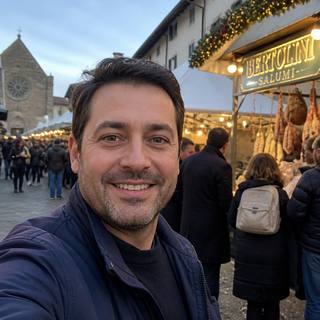
There's no single best time — it depends on what you're after. Ski season runs roughly early December through April (some Tyrol glacier resorts open even earlier, in October), summer hiking and lake season peaks June through September, and May-June or September are the sweet spot for sightseeing without ski-town or peak-summer crowds. Late November through December is its own strong case, for the Christmas markets.
'When should I go to Austria' doesn't have one answer, because Austria isn't one kind of trip — a Vienna-Salzburg culture trip, a Tyrol ski week, and a lake-district summer are three genuinely different itineraries with three different ideal calendars.
The year in Austria, at a glance
| Season | Best for | Crowds & prices |
|---|---|---|
| Winter (Dec–Mar) | Skiing, Christmas markets (Nov–Dec) | Ski towns packed and pricey in Jan-Feb; cities quieter outside market season |
| Spring (Apr–May) | Wachau apricot blossoms, sightseeing before the summer rush | Noticeably thinner crowds, some Alpine attractions still closed or limited |
| Summer (Jun–Sep) | Lake swimming, hiking, the Grossglockner Road, festivals | Peak season — the busiest and most expensive months |
| Autumn (Sep–Oct) | Wine harvest (Sturm season), mild sightseeing weather | Crowds thin out fast after early September |
Ski season (December–April)
Most Tyrol resorts run roughly early December through mid-April — Serfaus-Fiss-Ladis and the Arlberg (St. Anton, Lech, Zürs) both typically open the first week of December and run into mid-to-late April. A handful of glacier resorts (Sölden, Hintertux, the Stubai Glacier) open far earlier, some in October or even year-round, and Sölden's World Cup Opening race each October effectively marks the unofficial start of the Austrian ski season.
| Resort area | Typical season |
|---|---|
| Sölden / Obergurgl-Hochgurgl | Late Oct/Nov – early May (glacier sections extend this further) |
| St. Anton / Arlberg | Early December – mid/late April |
| Serfaus-Fiss-Ladis | Early December – early April |
| Hintertux / Stubai glaciers | Open year-round or near year-round |
If skiing is the point of your trip, confirm your travel insurance explicitly covers winter sports before you book — many standard policies exclude it unless added separately, and it gets expensive fast if something goes wrong on the slopes.
Summer hiking and lake season (June–September)
This is when Lake Zell warms to a genuinely swimmable ~26°C (79°F), the Grossglockner High Alpine Road is fully open (its season runs roughly early May to early November, weather permitting), and Alpine hiking trails from Innsbruck's Nordkette to the Salzkammergut lake district are all in full swing. It's also, unsurprisingly, the most crowded and most expensive stretch of the year in Vienna and Salzburg's old towns.
- July-August: the busiest, warmest window — expect higher hotel prices and real queues at Schönbrunn and Hallstatt's viewpoint.
- June and September: nearly the same weather and open attractions, with noticeably thinner crowds — the better trade-off for most travelers.
The shoulder-season sweet spot (May–June, September)
If sightseeing (not skiing or lake swimming specifically) is your main goal, May-June and September are genuinely the best months — mild temperatures, gardens in bloom or just turning color, and a fraction of July-August's crowds at Schönbrunn, Hallstatt, and the Wachau Valley. Late April into May is also apricot-blossom season in the Wachau, a real, specific, short-lived sight worth timing a visit around if it interests you.
Christmas markets (mid-November–late December)
Its own strong case for a winter visit despite the cold — Vienna alone runs over a dozen markets, Salzburg's is set beneath its cathedral and fortress, and the mulled-wine-and-roasted-chestnut atmosphere is a genuinely different, worthwhile version of the country compared to any other season.
December is really two different trips depending on your dates: early-to-mid December has the full Christmas market spectacle without New Year's crowds or prices, while late December into early January adds holiday-travel congestion and, in ski towns, the start of peak winter-sports season pricing.
Mistakes to avoid
- Booking a ski trip to the Alps in early November or a Wachau bike ride in January — both need their actual season, not just 'winter' or 'not winter' as a planning shortcut.
- Visiting Hallstatt or Schönbrunn in peak August without pre-booking timed entries — lines and crowds are genuinely worse in these two months than any other time of year.
- Assuming shoulder-season (April, October) means every Alpine cable car or trail is open — some upper stations and mountain attractions close or run reduced hours outside the core May-October window.