


Austria's Christmas Markets
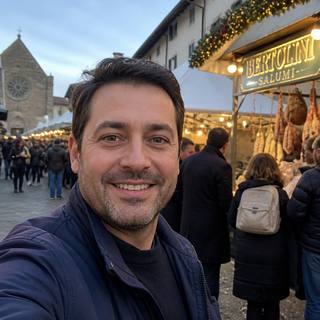
Austria's Christmas markets run from mid-November through late December (some into early January), and Vienna alone has over a dozen, from the grand official Christkindlmarkt at Rathausplatz to smaller, craft-focused markets like Spittelberg. Expect mulled wine (Glühwein or Punsch) for €4–6 a cup (plus a small refundable deposit on the mug), roasted chestnuts, and handmade ornaments and crafts. Vienna's Rathausplatz market runs November 13 – December 26, 2026, with its ice rink open into early January 2027.
If you're going to visit Austria once in a specific season, make it winter for the Christmas markets — this is the country's single strongest seasonal draw, and honestly one of the most photogenic, genuinely festive (not manufactured) experiences in Europe.
When are Austria's Christmas markets open?
| Market | City | 2026 dates |
|---|---|---|
| Christkindlmarkt am Rathausplatz | Vienna | November 13 – December 26 (ice rink to early January 2027) |
| Spittelberg Christmas Market | Vienna | November 14 – December 23 |
| Altwiener Christkindlmarkt (Freyung) | Vienna | November 14 – December 23 |
| Schönbrunn Palace Christmas Market | Vienna | November 6 – January 4 |
Dates shift slightly year to year and can change — always check the current year's official dates for your specific travel window before booking, especially if you're flying in for a single weekend and one particular market matters to you.
Vienna's Rathausplatz Christkindlmarkt — the big one
The official Christkindlmarkt in front of Vienna's neo-Gothic City Hall is the flagship market — dozens of wooden stalls, a giant illuminated tree, and a full ice-skating rink (the 'Vienna Ice Dream') threading through the surrounding park. It's the most crowded market in the city, but also the most complete introduction if you only have time for one.
For a quieter, more local feel
Spittelberg's market, set in a cobblestone lane of restored Biedermeier houses, leans more toward handmade crafts and local artists than mass-produced souvenirs, with noticeably smaller crowds than Rathausplatz. It's the better pick if you want atmosphere over spectacle.
What to eat and drink
- Glühwein — mulled red wine, spiced and served hot; most markets sell it in a collectible mug with a small refundable deposit (usually €3–5) on top of the drink price.
- Punsch — a stronger, often rum- or fruit-based spiced punch, an Austrian alternative to Glühwein.
- Maroni (roasted chestnuts) — sold hot from street carts, a classic Vienna winter snack on its own, market or not.
- Kartoffelpuffer — fried potato pancakes, usually served with apple sauce or sour cream.
Salzburg's Christmas markets
Salzburg's Christkindlmarkt on Domplatz and Residenzplatz, right beneath the cathedral and framed by the fortress on the hill above, is smaller than Vienna's but arguably even more atmospheric given the setting — worth timing a Salzburg visit around if you're touring in December.
Practical tips
- Bring cash — smaller stalls at markets don't always take cards, and the mug deposit system runs more smoothly with coins on hand.
- Evenings are prettiest (the lights) but also the most crowded — an early-afternoon visit gets you the same stalls with a fraction of the crowd.
- Dress for standing outside in the cold for a couple of hours — this isn't a rushed 20-minute stop if you're doing it right.