


Vienna
Vienna deserves 3–4 nights. Base yourself inside or just outside the Ringstrasse (the 1st district for convenience, Neubau or Josefstadt for a more local, still-central feel) — the U-Bahn (subway) is fast, clean, and runs everywhere. Spend one day on Schönbrunn Palace, one on the Hofburg and St. Stephen's Cathedral, and at least one lazy afternoon in a proper coffeehouse. A single transit ticket costs €3.20 (2026 fare); budget roughly €80–140/day per person before accommodation.
Vienna is what happens when an empire spends 600 years building itself a capital and then the empire quietly disappears, leaving all the palaces behind for tourists to wander through with a coffee in hand. It's grand without being stuffy, efficient without losing its old-world charm, and consistently ranked among the world's most livable cities — you'll understand why within a day.
How many days do you need in Vienna?
Three to four nights is the sweet spot. One day for Schönbrunn Palace and its gardens, one for the Hofburg complex and St. Stephen's Cathedral, one for museums (the Kunsthistorisches or the Belvedere) or the MuseumsQuartier, and a spare afternoon or evening for coffeehouses, the Naschmarkt, and just walking the 1st district. Add a day if you want a proper opera or classical concert night.
Which district should you stay in?
| District | Best for | Vibe |
|---|---|---|
| Innere Stadt (1st district) | First-timers who want everything walkable | Historic, central, pricier |
| Neubau (7th district) | A trendier, still-central base | Design shops, cafes, younger crowd |
| Josefstadt (8th district) | A quieter, residential feel near the center | Calm, local, a short tram ride in |
| Leopoldstadt (2nd district) | Value, near the Prater park | Up-and-coming, good transit links |
Buy a 24-, 48-, or 72-hour Vienna transit pass rather than single tickets if you're doing more than 2-3 rides a day — it covers the U-Bahn, trams, and buses, and pays for itself fast. The Vienna City Card bundles transit with museum discounts if you're museum-heavy.
What's actually worth seeing
- Schönbrunn Palace — the Habsburgs' summer residence, 1,441 rooms, gardens you could spend a whole afternoon in. Book timed entry online in summer.
- The Hofburg — the winter residence, now split between the Sisi Museum, the Imperial Apartments, and the Spanish Riding School.
- St. Stephen's Cathedral — climb the south tower (343 steps, no elevator) for the best rooftop view in the city.
- The Naschmarkt — Vienna's biggest and oldest market, food stalls and produce by day, a lively bar scene along its edges by night.
Mistakes worth avoiding
- Rushing Schönbrunn in an hour — the gardens alone (the Gloriette viewpoint, the maze) deserve two.
- Skipping a proper coffeehouse for a to-go chain coffee — the coffeehouse is genuinely a cultural experience here (UNESCO-listed, not marketing), not just caffeine delivery.
- Not booking Sacher-Café or Demel in advance if you specifically want a slice of the 'original' sachertorte during peak season — there's often a queue.
Best time to visit Vienna
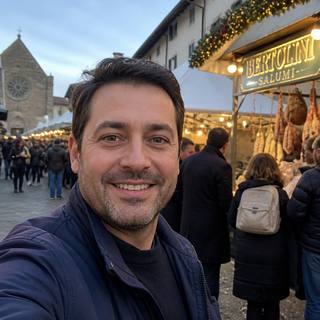
May-June and September are the sweet spot — mild weather, gardens in bloom or turning color, and noticeably thinner crowds than July-August. December has its own strong case despite the cold: the Christkindlmarkt season turns the whole city center into something close to a winter postcard.
Stay near a U-Bahn station — it makes everything easier
Compare Vienna hotelsWhere to stay in Vienna — hotels
Check live availability and prices for hotels, resorts, and guesthouses in Vienna on Booking.com:
Search hotels in Vienna on Booking.com ←We may earn a small commission, at no extra cost to you.