


Christmas Markets and Oktoberfest — Germany's Two Biggest Festivals
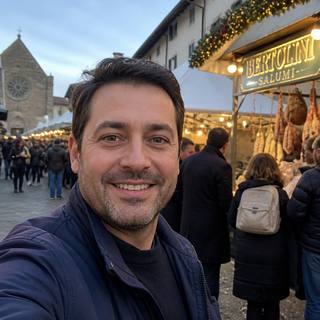
Oktoberfest (mid-to-late September through the first Sunday in October, mainly in Munich) is beer tents, brass bands, and dirndls. Christmas markets (late November through December 23–24, in nearly every German city) are mulled wine, wooden stalls, and fairy lights. They don't overlap in timing, so most travelers only get to plan around one per trip — pick based on the season you're actually traveling in.
These are Germany's two headline festive seasons, and first-timers sometimes conflate them or assume Oktoberfest happens in October — it mostly doesn't. Here's the honest breakdown of each, so you can plan around whichever one your travel dates actually hit.
Oktoberfest — the beer festival
Munich's Oktoberfest runs from mid-to-late September through the first Sunday in October, on the Theresienwiese fairground. It's genuinely huge — over 6 million visitors most years, 14 large tents each run by a different Munich brewery, brass bands, and a real dirndl-and-lederhosen culture that's more sincere tradition than costume party. Entry to the grounds is free; beer costs about €14.80–15.90 per liter (2026 pricing) inside the tents. Reserved tent tables for weekends are typically booked out by early spring — weekday visits or standing-room areas are the realistic option if you're planning late.
Christmas markets — the whole-country tradition
Christmas markets (Weihnachtsmärkte) run from late November through December 23rd or 24th in nearly every German city and town, big or small. Expect wooden stalls, mulled wine (Glühwein) served in a small, often collectible mug you can return for a deposit refund or keep as a souvenir, roasted chestnuts and almonds, and handmade ornaments and gifts. Dresden's Striezelmarkt (dating to 1434) claims to be Germany's oldest; Nuremberg's Christkindlesmarkt and Cologne's cathedral-backdrop market are both major draws.
Side by side
| Oktoberfest | Christmas markets | |
|---|---|---|
| When | Mid/late September – first Sunday of October | Late November – Dec 23–24 |
| Where | Mainly Munich (other cities run smaller versions) | Every city and most towns |
| Vibe | Loud, beer-focused, festive chaos | Cozy, family-friendly, mulled wine and lights |
| Typical cost | €15–16 per liter beer, tent food extra | Free to browse; Glühwein €3–5 with mug deposit |
| Booking needed? | Yes for tent tables on weekends | No — just show up |
Which one should you plan around?
Honestly, whichever one your travel dates line up with — they don't overlap, so this usually isn't a real either/or choice unless you're deciding when to book flights in the first place. If you do have flexibility: Oktoberfest is the louder, more singular experience worth building an entire Munich trip around; Christmas markets are lower-key but easier to fold into a multi-city itinerary, since basically every stop on a Germany trip will have one running.
If Christmas markets are the priority, don't just do the biggest ones — a smaller regional market (Rothenburg ob der Tauber's is a standout) often feels more atmospheric and far less crowded than the huge-name markets in Berlin or Cologne.
A few Christmas markets worth planning around
- Dresden's Striezelmarkt — dating to 1434, widely considered Germany's oldest, famous for stollen (fruit cake) and a beautiful baroque backdrop.
- Nuremberg's Christkindlesmarkt — one of the most famous internationally, with a ceremonial opening by a costumed 'Christkind' every year.
- Cologne's Cathedral market — the towering cathedral as a backdrop makes this one of the most photogenic settings of any German market.
- Rothenburg ob der Tauber's Reiterlesmarkt — smaller, medieval-walled-town setting, far fewer crowds than the big-city markets.