


Tayrona National Park
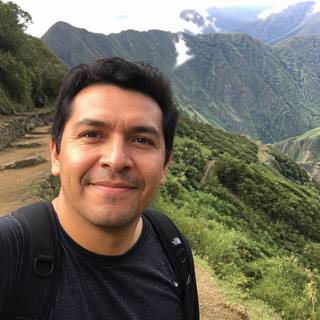
Tayrona National Park, on the Caribbean coast near Santa Marta, combines dense jungle with beaches reachable only on foot or horseback — no roads reach the best coves. Entry runs roughly $10–18 for foreign visitors depending on nationality and season. The park closes to visitors for about a month a year, typically split between windows in June and October/November, for indigenous cultural and ecological rest — check current dates before planning your trip around it.
Tayrona is the rare 'must-see' that genuinely earns the label: a national park where thick jungle runs straight into Caribbean coastline, with beaches you can only reach by walking or on horseback, which does a lot of the crowd-control work other coastal attractions have to engineer artificially.
How to get there
The park sits about 30–45 minutes east of Santa Marta by bus or taxi. Buses run frequently from Santa Marta's main terminal to the park entrance (Palangana or Zaino, depending on the sector); a private taxi is faster but costs more. From the entrance, expect a 1–2 hour walk (or a shorter horseback ride) to reach the most popular beaches like Cabo San Juan.
| Item | Approx. cost |
|---|---|
| Park entry (foreign visitor) | $10–18, varies by season and nationality |
| Horseback ride to the beaches (one way) | $8–15 |
| Hammock rental overnight (Cabo San Juan) | $10–15 |
| Simple cabaña/tent overnight | $25–50 |
There are no ATMs inside the park and cash is essential once you're past the entrance — bring more pesos than you think you'll need, in small denominations. Also bring insect repellent, reef-safe sunscreen, and a dry bag; the humidity and occasional rain showers are constant, and phone signal is patchy to nonexistent past the entrance.
Annual closures — plan around these
Tayrona closes to all visitors for roughly a month each year, typically split into two windows (commonly parts of June and October/November), at the request of the Indigenous communities (including the Kogi people) who consider the park sacred ancestral territory, for ecological rest and cultural ceremonies. The exact dates shift year to year — check Colombia's national parks authority (Parques Nacionales Naturales) website close to your travel dates rather than assuming last year's schedule holds.
Where to stay inside the park
- Hammock — the cheapest and most popular option at Cabo San Juan, right above the beach; arrive by early-to-mid afternoon in high season, since spots go first-come-first-served.
- Tent camping — bring your own or rent one at the main camping areas.
- Simple cabañas — a step up in comfort, limited availability, worth booking ahead in December–January and July–August peak season.
What to actually do there
- Hike to Cabo San Juan — the park's most photographed beach and the most common overnight base.
- Swim only where signs indicate it's safe — several of Tayrona's beaches have dangerous currents and are marked no-swimming for a real reason, not just liability caution.
- Consider an early-morning or late-afternoon visit if you're not overnighting, to avoid both the worst heat and the day-trip crowds arriving mid-morning.
Nearby: the Lost City trek
Tayrona and the Ciudad Perdida (Lost City) trek start from the same base city, Santa Marta, but they're very different trips — Tayrona is a walk-in day or overnight, while Ciudad Perdida is a guided 4–5 day jungle trek to a pre-Columbian archaeological site. Many travelers with 5+ days in the region do both, back to back.