


Ciudad Perdida — The Lost City Trek
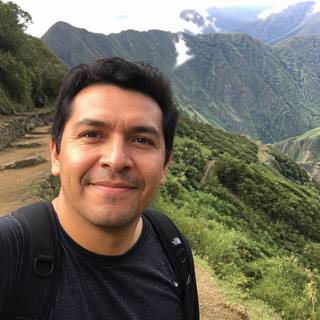
Ciudad Perdida (the 'Lost City') is a pre-Columbian archaeological site in the Sierra Nevada de Santa Marta, built by the Tayrona people centuries before Machu Picchu and rediscovered only in 1972. It's reachable only via a guided multi-day trek (4 or 5 days is standard; independent hiking isn't permitted) through Kogi indigenous territory, costing roughly $500-520 per person, all-inclusive of a guide, meals, hammock accommodation, and the park entrance fee.
There's a real case that Ciudad Perdida is Colombia's most underrated big-ticket attraction — a genuine pre-Columbian city, centuries older than Machu Picchu, that most of the world has still never heard of, reachable only by earning it on foot through days of jungle, river crossings, and switchbacks.
Why you can't hike it independently
The trail crosses land held by the Kogi and other Indigenous groups of the Sierra Nevada de Santa Marta, who have granted a limited number of licensed tour operators permission to lead groups through it — independent or self-guided hiking isn't legally possible. Every trek is booked through one of these authorized operators, and the price is fixed within a fairly narrow range regardless of which one you choose.

The entrance fee to Teyuna Archaeological Park (Ciudad Perdida's official name), managed by Colombia's Institute of Anthropology and History (ICANH), is bundled into your tour price — you won't pay a separate fee at the site itself.
How many days?
| Trek length | Typical structure | Notes |
|---|---|---|
| 4 days | The standard, most-booked option | Shared group departures, roughly $500-520 |
| 5 days | Same route, a slightly less rushed pace | Shared group departures, similar price range |
| 3 or 6 days | Faster or slower private variants | Priced per group size, not fixed |
What the trek is actually like
Expect steep, muddy climbs, multiple river crossings (sometimes waist-deep), thick heat and humidity at lower elevations, and roughly 6-8 hours of walking on the longest days. Nights are spent in open-air camps with hammocks and mosquito nets, not tents. The final approach to the city itself is a steep, roughly 1,200-step stone staircase — a genuinely dramatic way to arrive.
- Day 1 — a jeep transfer from Santa Marta to the trailhead, then several hours of jungle hiking to the first camp.
- Day 2 — the longest and hardest day, more climbing and river crossings, reaching a camp near the base of the final ascent.
- Day 3 — the stone staircase up to Ciudad Perdida itself, several hours exploring the ruins, then beginning the return.
- Day 4 (or 4-5 for the 5-day option) — retracing the route back to the trailhead and a jeep transfer to Santa Marta.
How fit do I need to be?
Moderate to good fitness is genuinely required — this isn't a casual walk. You don't need technical trekking experience, but multiple consecutive days of several hours' hiking in heat and humidity, including steep, uneven, sometimes slippery terrain, will be a real physical test for anyone who doesn't hike or exercise regularly. Most operators recommend at least some cardio preparation beforehand.
What it costs and what's included
| Item | Approx. cost |
|---|---|
| 4-day shared group trek, all-inclusive | $500-520 |
| 5-day shared group trek, all-inclusive | $500-540 |
| What's included | Guide, meals, hammock/mosquito net accommodation, park entrance fee, jeep transfers |
| What's not included | Tips for guides and porters, personal gear, travel insurance |
When to go
December-March is the driest window, meaning less mud and easier river crossings, but also the most crowded trail and camps. The wetter months (April-November) mean muddier terrain and higher rivers, but noticeably fewer other trekkers and a greener jungle — many past hikers actually prefer the quieter shoulder-season trade-off.
Mistakes worth avoiding
- Booking the cheapest operator without checking recent reviews — guide quality and group size vary more than the price does, and this is a multi-day trip where that matters.
- Skipping any cardio prep because 'it's just a hike' — several consecutive days of heat, humidity, and steep terrain catch underprepared trekkers off guard every season.
- Packing too heavy — everything gets carried for days through mud and river crossings; pack light, quick-dry layers, not a full pack of cotton clothing.
Pack light, quick-dry clothing (cotton takes forever to dry in jungle humidity), a dry bag for electronics, a reusable water bottle (most camps offer filtered refills), and insect repellent — but skip anything you'd be devastated to lose, since river crossings and mud are a constant.