


Money, Safety & eSIM in Austria
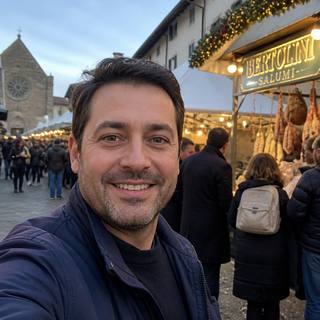
Austria's currency is the euro (€); cards are widely accepted, though smaller Gasthäuser, market stalls, and public toilets still favor cash. Austria ranked 6th on the 2026 Global Peace Index, making it one of the most peaceful countries on Earth — violent crime against tourists is rare, and the more realistic risks are pickpocketing in busy tourist spots and winter road or ski conditions. eSIM and local SIM options both work well for staying connected.
The practical questions that actually matter once you land: how to handle euros, what the real safety risks are (short answer: there mostly aren't any), and how to get online without a surprise roaming charge.
Money and ATMs
The euro (€) is the currency across Austria, as in the rest of the Eurozone. As of mid-2026, €1 has traded at roughly $1.14, though rates move — check a live rate before your trip rather than relying on an old figure. ATMs are everywhere in cities and most towns; check with your home bank about foreign-transaction fees, and consider a fee-free travel card if your bank offers one, since Austrian ATM fees themselves are generally modest.
| Payment method | Where it works best |
|---|---|
| Card (credit/debit) | Hotels, restaurants, shops, most cafes in cities |
| Cash (euros) | Small Gasthäuser, market stalls, some public toilets, tips |
| Contactless / mobile pay | Increasingly standard in Vienna and Salzburg, less so in rural areas |
Is Austria safe?
Very safe by any global measure — Austria ranked 6th on the 2026 Global Peace Index, one of the most peaceful countries in the world. Violent crime against visitors is rare. The realistic risks are pickpocketing in crowded tourist areas (the Naschmarkt, U-Bahn platforms, Christmas markets) and, if you're skiing or driving in winter, road and slope conditions — not crime.
Tipping is modest and optional, closer to 'round up or add 5-10%' than the US expectation — say the total out loud when paying rather than leaving cash on the table, since that's the local custom. Tap water is safe to drink everywhere in Austria, genuinely excellent quality, and asking for it in a restaurant (rather than buying bottled) is completely normal, if slightly less common in very touristy spots.
eSIM and staying connected
eSIM is the easiest option if your phone supports it — providers like Airalo and Holafly sell data-only European plans (covering Austria and most of the EU) from around $6–20 for 7–15 days, activated before you even land. A physical local SIM (A1, Magenta, or Drei, sold at their own stores or some electronics shops) works just as well if you want a local phone number too, typically similarly priced for a comparable data allowance.
Winter-specific safety notes
- If skiing, confirm your travel insurance explicitly covers winter sports — many standard policies exclude skiing/snowboarding unless added separately.
- Rural roads in the Alps can require winter tires or snow chains by law in season — check your rental car's requirements before driving in winter.
- Some smaller Alpine towns and hiking trails effectively shut down outside their summer or winter season — check opening status before planning a shoulder-season (spring/autumn) visit to remote areas.
The new bottle-deposit system (since January 2025)
Since January 1, 2025, Austria charges a mandatory €0.25 deposit on single-use plastic bottles and metal cans between 0.1 and 3 liters — you'll see it added at checkout, and get it back by feeding the empty container into a reverse-vending machine at the entrance of virtually every supermarket, which prints a voucher redeemable at the register. Milk and dairy drinks are exempt.
Don't bin an empty water or soda bottle out of travel-day habit — you're throwing away a quarter each time. The machines take seconds to use, and the voucher works as store credit or cash back at the till.
Emergency numbers
| Service | Number |
|---|---|
| General EU emergency (all services) | 112 |
| Police | 133 |
| Ambulance | 144 |
| Fire | 122 |