


Thai Street Food: What to Eat and What It Costs
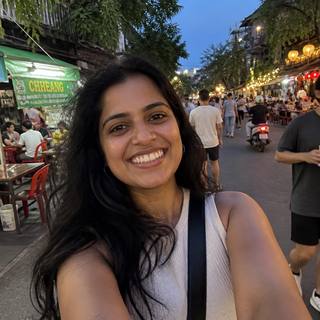
Thai street food is genuinely some of the best in the world — and cheap. A street-stall meal costs $1–3, a casual restaurant $3–8, a nice dinner out $10–20 per person. Don't miss pad thai, tom yum goong, khao soi (Chiang Mai's coconut curry noodle soup), khao man gai, and mango sticky rice. Drink bottled water only; look for busy stalls with a local queue and food cooked fresh in front of you.
Thai food is a reason to visit on its own — a genuinely world-class cuisine that also happens to be some of the cheapest eating you'll find anywhere. Here's what to actually order, roughly what it costs, and how to eat street food without spending your trip nervous about your stomach.
Must-try dishes
| Dish | What it is | Approx. price |
|---|---|---|
| Pad thai | Stir-fried rice noodles with egg, tofu or shrimp, peanuts, lime | $1.50–4 |
| Tom yum goong | Hot-and-sour shrimp soup with lemongrass and chili | $3–7 |
| Khao soi | Chiang Mai's coconut curry noodle soup, a Northern specialty | $2–5 |
| Khao man gai | Hainanese-style chicken and rice — simple, comforting, everywhere | $1.50–3 |
| Mango sticky rice | Sweet coconut sticky rice with fresh mango, the classic dessert | $1.50–3 |

How to eat street food safely
- Look for a stall with a queue of locals and high turnover — food that's been cooked fresh and sold quickly, not sitting under a heat lamp for hours.
- Watch it get cooked in front of you when possible — a wok over open flame is generally lower-risk than pre-made dishes sitting out.
- Drink bottled water only — it's cheap (roughly 20–30 cents) and available everywhere, including 7-Eleven on nearly every block.
- Ice at busy, established restaurants is normally fine — it's typically factory-made from filtered water, not frozen tap water.
Dietary needs
Vegetarian: ask for 'mangsawirat' (มังสวิรัติ) — but note fish sauce and shrimp paste show up in many 'vegetable' dishes by default, so specify 'no fish sauce' too. Vegan travelers should double-check for egg and dairy as well. Halal food is widely available, especially in southern Thailand and in most cities' Muslim quarters. Nut allergies: peanuts appear in unexpected dishes (some curries, some noodle dishes) — always ask directly rather than assuming.
Where to find the best street food
- Bangkok's Chinatown (Yaowarat) — arguably the street-food capital of the country, best visited at night.
- Chiang Mai's Sunday Walking Street market — food stalls line the entire route through the Old City.
- Any local morning market — less touristy, often cheaper, and a good place to try regional specialties.
What it costs, all in
| Meal type | Price per person |
|---|---|
| Street food (1–2 dishes) | $2–5 |
| Casual sit-down restaurant | $3–8 |
| Mid-range restaurant | $8–15 |
| Nice dinner out | $15–30 |