


Ibiza & Mallorca
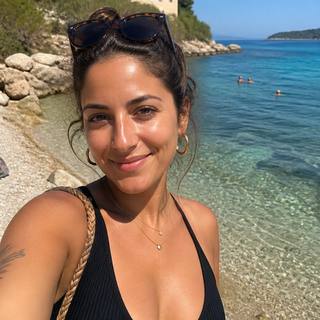
Ibiza and Mallorca are Spain's two big-ticket Balearic islands, and they're not really competing: Ibiza splits cleanly into a legendary party-club southwest and a genuinely quiet, hippie-market north, while Mallorca is bigger and calmer overall, built around the Tramuntana mountains' UNESCO-listed coastline and Palma's Gothic cathedral. Both charge a small nightly sustainable-tourism tax. Give either 4–5 days; combining both takes just a 50-minute inter-island flight.
Ibiza's reputation as 'the party island' is accurate but incomplete, and Mallorca's reputation as 'the family-resort island' undersells a genuinely dramatic mountain coastline — both islands are more varied than their stereotypes, and picking between them mostly comes down to what kind of energy you actually want your days to run on.
Ibiza or Mallorca — which one?
| Ibiza | Mallorca | |
|---|---|---|
| Signature scene | World-famous superclubs, plus a quiet hippie north | Tramuntana mountain coastline, Palma's old town |
| Size | Small (572 km²) — easy to cross island in a day | Much larger (3,640 km²) — needs more driving between areas |
| Best for | Nightlife-and-beach-club travelers, or those seeking the quiet north specifically | A broader mix: hiking, sailing, family beaches, and a real city (Palma) |
| Family-friendliness | Doable if you base in the quiet north; the southwest is not family-oriented | Generally easier — more family resorts and calmer beach towns |
Ibiza's two sides
The southwest — San Antonio and Playa d'en Bossa especially — is where the internationally famous club scene lives, loud and crowded by design. The north and east are a different island entirely: Portinatx, Santa Eulalia, and Cala Xuclà (a wild, pine-fringed cove with some of the clearest water on the island) draw a calmer, more laid-back crowd, plus a genuine weekly hippie-market tradition dating back decades.
If someone tells you 'Ibiza isn't for me' because they don't want to club, ask which part of the island they actually mean — the north-and-east half runs a totally different, much quieter trip, and plenty of travelers do a full week there without ever going near a superclub.
Mallorca's Tramuntana coast
The Serra de Tramuntana, a rugged mountain range running almost 90km along Mallorca's northwest coast, earned UNESCO World Heritage status in 2011 for its dramatic scenery and centuries of terraced agriculture. Villages like Deià and Sóller (connected by a century-old wooden vintage train) and coves like Cala de Sa Calobra and Cala Deià are the reason Mallorca has quietly become a serious hiking and road-trip destination, not just a beach-resort island.
Palma's old town and cathedral
La Seu, the Cathedral of Santa Maria in Palma, is a genuinely spectacular Gothic building — its rose window, nearly 14 meters across, is the second-largest of its kind still standing anywhere, and 61 stained-glass windows earn the building its nickname, the 'Cathedral of Light.' The old town around it is dense with tapas bars and boutique shops, a real city in a way most Balearic beach towns aren't.
The Balearic sustainable tourism tax
Both islands (along with Menorca and Formentera) charge the same uniform Balearic eco tax: roughly €1–4 per adult per night in high season (plus 10% VAT), and €0.25–1 in low season. Anyone under 16 is exempt, and the rate drops by half after the eighth night at the same accommodation. It funds nature conservation and beach restoration, and rates are set to rise again for peak summer months in 2026, though the exact increase wasn't finalized as of mid-2026.
Getting there and between islands
| Route | Method | Approx. time |
|---|---|---|
| Barcelona → Ibiza or Mallorca | Direct flight | ~50–70 minutes |
| Madrid → Ibiza or Mallorca | Direct flight | ~1 hour |
| London → Ibiza | Direct flight (frequent, multiple airlines) | ~2.5 hours |
| Ibiza ↔ Palma de Mallorca | Direct flight (Iberia and others) | ~50 minutes |
What it costs
| Item | Approx. cost |
|---|---|
| Mid-range hotel, per night (either island) | $100–200 in peak summer |
| Balearic sustainable tourism tax | €1–4/night high season, per adult |
| Casual beachfront lunch | $15–30 per person |
| Ibiza ↔ Mallorca one-way flight | $50–100 |
Mistakes to avoid
- Booking a quiet family trip to San Antonio or Playa d'en Bossa without checking which part of Ibiza those actually are — they're the club zone, not the relaxed side.
- Trying to see all of Mallorca's Tramuntana coast in one rushed day — the winding mountain roads are slow by design; budget real time or split it over two days.
- Skipping the tourist tax in your budget — it's small per night, but it adds up across a family or a week-long stay, and it's charged automatically at check-in or check-out.
Palma or Ibiza's old town for city access, or a beach town for a resort-style stay
Compare Balearic Islands hotelsWhere to stay in Ibiza & Mallorca — hotels
Check live availability and prices for hotels, resorts, and guesthouses in Ibiza & Mallorca on Booking.com:
Search hotels in Ibiza & Mallorca on Booking.com ←We may earn a small commission, at no extra cost to you.