


The Algarve
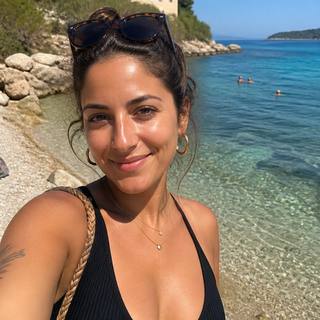
The Algarve is Portugal's southern coast and its main beach destination — dramatic golden limestone cliffs, sheltered coves, and warm, clear Atlantic water, best from May through October. Lagos has the most dramatic scenery and a lively backpacker-friendly old town; Albufeira is the resort-and-nightlife hub; Tavira, in the quieter eastern Algarve, is calmer and more traditionally Portuguese. Budget from €50/day backpacking to €250+/day for a beachfront resort.
The Algarve is the reason a lot of Northern Europeans have a Portugal-shaped soft spot — cheap direct flights, near-guaranteed summer sun, and a coastline of golden cliffs and hidden coves that genuinely lives up to the photos. Here's how to pick the right base.
Which Algarve town should you pick?
| Town | Best for | Vibe |
|---|---|---|
| Lagos | Dramatic scenery, a livelier crowd, boat trips | Old town charm plus a strong nightlife scene |
| Albufeira | Classic resort holidays, families and groups | Big resorts, busy strip, the most built-up option |
| Tavira | A calmer, more traditional pace | Quieter, fewer crowds, closer to the Spanish border |
| Sagres | Surfing and dramatic Atlantic cliffs | Remote, windswept, at the very southwestern tip |
The Algarve's famous cliff coves
The stretch of coast around Lagos and Carvoeiro is the postcard version of the Algarve — golden limestone cliffs, sea caves, and tiny coves reachable by boat trip or a scramble down a cliffside staircase. Ponta da Piedade (near Lagos) and Benagil Cave (near Carvoeiro, only reachable by boat, kayak, or swimming) are the two most photographed spots; both get genuinely crowded by mid-morning in July and August.
Book a small-group boat trip (not a giant party-boat catamaran) for the caves and coves — smaller boats can get closer to the sea caves and don't feel like a floating nightclub. Early morning departures also beat both the crowds and the midday heat.
When to visit
May–June and September–October give the best combination of warm, swimmable water and lower prices — July–August is peak season, with hotel prices spiking 40–60% and beaches at their most crowded. Winter (November–March) is mild by Northern European standards but too cool for swimming, and many beach-town restaurants and bars close for the season.
What it costs
| Item | Approx. cost |
|---|---|
| Guesthouse/apartment, per night (peak season) | €60–120 |
| Beachfront resort, per night (peak season) | €180–350+ |
| Casual restaurant meal | €12–20 |
| Boat trip to sea caves (2–3 hours) | €25–45 |
Common mistakes
- Booking Albufeira expecting a quiet, traditional Portuguese town — it's the region's biggest resort strip, great for nightlife, less so for peace and quiet.
- Visiting Benagil Cave on foot expecting to walk in — it's only accessible by boat, kayak, paddleboard, or a swim from the nearest beach.
- Assuming any Algarve month works for swimming — the Atlantic here is noticeably cooler than the Mediterranean; June–September is the realistic swimming window for most visitors.
Where to stay in The Algarve — hotels
Check live availability and prices for hotels, resorts, and guesthouses in The Algarve on Booking.com:
Search hotels in The Algarve on Booking.com ←We may earn a small commission, at no extra cost to you.