


Money, Safety & eSIM in Poland
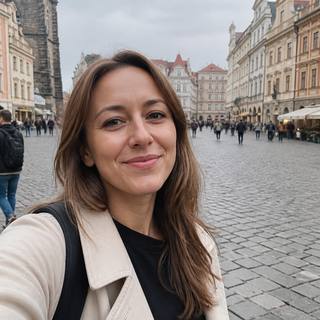
Poland's currency is the zloty (PLN, zl) — not the euro, despite EU membership, which surprises a lot of first-timers. Cards are widely accepted almost everywhere, including small shops and milk bars in bigger cities; carry some cash for rural areas and smaller vendors. Poland is one of Europe's safer countries for tourists — violent crime against visitors is rare, and the main real risks are ordinary pickpocketing in crowded spots and icy sidewalks in winter.
The practical questions that actually matter once you land: why your euros are useless here, what the real (minor) safety risks are, and how to get connected without an eye-watering roaming bill.
Money and ATMs
The Polish zloty (PLN, zl) is the currency everywhere — Poland has not adopted the euro despite being an EU member since 2004, and there's no fixed timeline for it to do so. As a rough mid-2026 planning anchor, $1 has recently traded around 4 zloty — check a live rate before your trip since it moves. Cards are very widely accepted, including at milk bars and small shops in Krakow and Warsaw; carry some cash for rural areas, markets, and smaller towns where card readers are less universal.
| Payment method | Where it works best |
|---|---|
| Card (Visa/Mastercard) | Hotels, restaurants, shops, most milk bars in big cities |
| Cash (zloty) | Rural areas, small markets, some smaller-town vendors |
| Contactless / tap-to-pay | Extremely common in cities — Poland has high contactless adoption |
Don't exchange currency at airport kiosks or 'no commission' street exchange booths in tourist areas — both typically offer noticeably worse rates than a bank ATM withdrawal or a mainstream currency-exchange chain. An ATM withdrawal with a fee-free travel card is usually the best value.
Is Poland safe?
Yes, genuinely — Poland is consistently ranked among Europe's safer countries for tourists, with low rates of violent crime against visitors. The realistic risks are mundane: pickpocketing in crowded tourist spots (the Krakow Main Square, Warsaw's Old Town) and, in winter, icy sidewalks that catch out visitors unused to the cold. Solo travel, including for women, is common and generally uneventful with ordinary city precautions.
Winters (December-February) get genuinely cold, often well below freezing, with icy pavements a real slip hazard — pack proper waterproof boots with grip, not fashion boots, if you're visiting in winter.
eSIM and staying connected
eSIM works well and is the easiest option if your phone supports it — providers like Airalo and Holafly sell data-only plans from around $4-15 for 7-15 days, activated before you even land. A physical local SIM (Orange, Play, or T-Mobile Poland, sold at the airport or any mall) is similarly cheap and gives you a local number too.
Everyday basics
- Tap water is generally safe to drink in major cities, though many locals prefer bottled or filtered water by habit rather than necessity.
- Tipping around 10% at restaurants is customary but not mandatory; rounding up is fine for cafes and casual meals.
- Public transport (trams, buses, metro in Warsaw) is efficient and cheap — a single ticket typically covers a time window rather than one ride, which is forgiving if you transfer.