


Warsaw
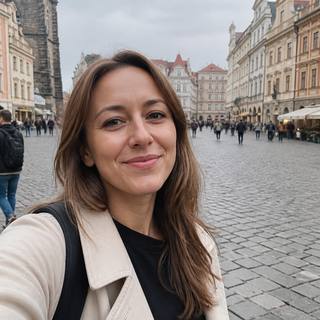
Warsaw deserves 2-3 days. Its Old Town looks medieval but is almost entirely a post-WWII reconstruction, rebuilt from photographs and paintings after the city was leveled — it's a UNESCO World Heritage Site precisely because of that reconstruction effort. Base yourself in or near the Old Town/Srodmiescie for walkability. Spend one day on the Old Town and the Warsaw Rising Museum, one on the modern city center and its skyline, and budget roughly $45-80/day per person before accommodation.
Warsaw has an image problem it doesn't deserve: people expect a gray post-Soviet city and instead find a genuinely modern European capital with glass skyscrapers, a serious food and coffee scene, and a historic core so convincingly rebuilt you'd never guess it was almost entirely destroyed eight decades ago.
How many days do you need in Warsaw?
Two to three days is enough. One day for the Old Town, the Royal Castle, and the Warsaw Rising Museum (genuinely one of Europe's best modern-history museums); one day for the contemporary city — the Palace of Culture and Science, Lazienki Park, and the restaurant scene. A third day gives room for a slower pace or a POLIN Museum visit (Polish Jewish history).
The rebuilt Old Town — the story behind it
Roughly 85% of Warsaw was destroyed in World War II, most devastatingly after the 1944 Warsaw Uprising, when German forces systematically leveled the city as reprisal. What you walk through today in the Old Town was rebuilt in the years after the war using pre-war paintings, photographs, and architectural surveys as a guide — meticulous enough that UNESCO listed it as a World Heritage Site specifically for the reconstruction itself, a rare honor for a site that isn't 'original.'
What's actually worth seeing
- The Old Town Market Square — colorful reconstructed townhouses around a central square anchored by the Mermaid of Warsaw statue, the city's symbol.
- The Warsaw Rising Museum — an immersive, modern museum on the 1944 Warsaw Uprising against German occupation; budget at least 2-3 hours.
- The Palace of Culture and Science — a Soviet-era skyscraper (a 1955 'gift' from Stalin) that's now oddly beloved; the observation deck gives the best skyline view in the city.
- Lazienki Park — a sprawling royal park with a palace-on-the-water, peacocks, and free summer Chopin piano concerts by the composer's monument.
| Neighborhood | Best for | Vibe |
|---|---|---|
| Old Town / Srodmiescie Polnocne | First-timers, walkability, history | Historic, central, close to everything |
| Srodmiescie (city center) | Modern Warsaw, business travelers | Skyscrapers, shopping, the Palace of Culture |
| Praga | A grittier, more local, cheaper stay | Up-and-coming, street art, across the river |
Warsaw's public transport (trams and metro) is fast, cheap, and easy — a single ticket costs about $1 and covers a set time window rather than one ride, so it's forgiving if you transfer.
Common mistakes
- Skipping Warsaw entirely in favor of a Krakow-only trip — a real miss, since the two cities feel genuinely different and the fast train between them takes only about 2.5 hours.
- Assuming Warsaw's Old Town is 'less authentic' because it's a reconstruction — locals take real pride in it, and the story of how it was rebuilt is arguably more interesting than an untouched original would be.
- Underestimating how modern the city center is — Warsaw has some of the tallest buildings in the EU and a food scene that regularly surprises first-timers.
What it costs
| Item | Approx. cost |
|---|---|
| Guesthouse or hotel, per night | $45-90 |
| Warsaw Rising Museum entry | $6-9 |
| Palace of Culture and Science observation deck | $8-13 |
| Casual restaurant meal | $9-16 |
Stay near the Old Town or in Srodmiescie
Compare Warsaw hotelsWhere to stay in Warsaw — hotels
Check live availability and prices for hotels, resorts, and guesthouses in Warsaw on Booking.com:
Search hotels in Warsaw on Booking.com ←We may earn a small commission, at no extra cost to you.