


Inca Trail Trekking
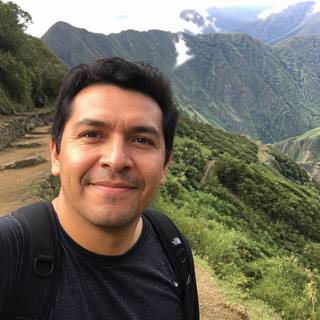
The Classic Inca Trail is a 4-day, 3-night, roughly 26-mile trek from the Sacred Valley to Machu Picchu, ending with a walk through the Sun Gate at sunrise. It's strictly permit-controlled: only 500 total spots per day (roughly 200 for trekkers, the rest for mandatory guides, cooks, and porters), and permits for the popular May-September season typically sell out within days to weeks of the October release for the following year. You cannot hike it independently — a licensed tour operator is legally required.
The Inca Trail is the trek everyone's heard of, and for good reason — arriving at Machu Picchu on foot through the Sun Gate, exactly as travelers have for centuries, is a genuinely different experience from stepping off a bus. The catch is that it's the single most permit-constrained major trek in the world, and 'we'll book it when we're closer to the trip' is the most common way to miss out entirely.
The route, day by day
| Day | Distance | What it covers |
|---|---|---|
| Day 1 | ~7.5 miles (12 km) | A relatively gentle start through the Sacred Valley, past minor ruins |
| Day 2 | ~7.5 miles (12 km) | The hardest day — up and over Dead Woman's Pass (13,828 ft / 4,215 m), the trek's high point |
| Day 3 | ~10 miles (16 km) | The longest day, but mostly downhill, through cloud forest and several ruin sites |
| Day 4 | ~4 miles (6 km) | An early pre-dawn start to reach the Sun Gate at sunrise, then descend into Machu Picchu |
Permits — the real timeline
Peru's Ministry of Culture caps the trail at 500 people per day (trekkers plus crew), and permits for the next calendar year typically go on sale in October. May-September dates — especially weekends — routinely sell out within days to a few weeks of release. If specific dates matter to you, book through a licensed operator as soon as your travel dates are fixed, ideally 5-6+ months ahead for June-August; October-April dates have more breathing room but can still fill for holiday periods.
You must book through a licensed operator
Independent hiking is not permitted on the Classic Inca Trail — Peruvian regulations require every trekker to be accompanied by a licensed tour company, which handles the permit, a guide, cooks, and porters (the trail's own significant support-crew ecosystem). Choose an operator with good porter-welfare practices (fair pay, weight limits, proper gear) — it's both an ethical issue and generally a signal of overall trek quality.
How difficult is it?
Moderately to genuinely difficult, mostly because of Day 2's altitude gain over Dead Woman's Pass. You don't need to be an elite athlete, but real preparation matters: cardio training beforehand, at least 2-3 days acclimatizing in Cusco first, and a realistic expectation that day two will be hard regardless of fitness level.
What it costs
| Item | Approx. cost |
|---|---|
| Standard 4-day/3-night group trek (guide, cook, porters, permits, camping) | $650-950 per person |
| Premium/small-group operators | $1,000-1,600+ per person |
| Optional porter for your personal pack | $50-80 for the trek |
If permits are sold out for your dates
See our Inca Trail vs. alternative treks comparison — Salkantay, Lares, and the Inca Jungle Trail all reach Machu Picchu (via train for the final stretch) without the same permit bottleneck, and each has its own distinct character rather than being a lesser substitute.