


The Sacred Valley
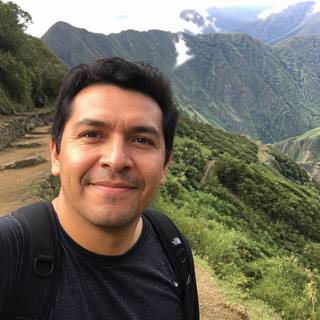
The Sacred Valley (Urubamba Valley) runs roughly 1,000 ft (300 m) lower than Cusco, making it a genuinely smart place to spend your first night or two in the Andes rather than sleeping straight at Cusco's altitude. Highlights: Pisac's Sunday market and hilltop ruins, Ollantaytambo (a real, still-inhabited Inca town with a formidable fortress, and the last stop before the Machu Picchu train), Moray's mysterious circular terraces, and the Maras salt mines. Two to three days covers it well.
Most itineraries treat the Sacred Valley as a rushed day trip squeezed between Cusco and Machu Picchu — which undersells it badly, and skips the smartest altitude move in the whole trip. The valley floor sits noticeably lower than Cusco, so sleeping here first (rather than at Cusco's full altitude) genuinely eases you in.
Why sleep in the Sacred Valley instead of Cusco first
If you're worried about altitude at all, consider flying into Cusco and heading straight down to the Sacred Valley (Urubamba or Ollantaytambo, both noticeably lower and warmer) for your first night or two, then coming back up to Cusco itself once you've eased in. It's a small logistics change that a lot of experienced Peru travelers swear by.
Pisac
Pisac has two completely different draws: a genuinely excellent Sunday (and, to a lesser extent, Tuesday/Thursday) artisan market selling textiles, ceramics, and silver, and a hilltop Inca ruin complex above the town with some of the valley's most dramatic agricultural terracing. Give it a half-day.
Ollantaytambo
Unlike most Inca sites, Ollantaytambo is still a living town — people occupy some of the original Inca-era buildings and irrigation channels still run through the streets exactly as designed. Above the town, the Ollantaytambo fortress is one of the few places the Inca actually won a major battle against the Spanish, and its steep terraces are worth the climb for the views alone. It's also the last town with road access before the Machu Picchu train — many travelers spend their final night here.
Moray and the Maras salt mines
- Moray — a set of concentric circular terraces sunk into a natural depression, believed to have functioned as an Inca agricultural laboratory (each terrace level creates a distinct microclimate). Strange and photogenic in a way that's hard to convey in words.
- Maras salt mines (Salineras de Maras) — thousands of small salt pools cascading down a hillside, still hand-harvested using a system that predates the Inca. Usually visited together with Moray as a half-day trip.
What it costs
| Item | Approx. cost |
|---|---|
| Guesthouse, per night | $20-40 |
| Boleto Turístico (covers Pisac, Ollantaytambo, Chinchero and more) | ~$47 (S/130), valid 10 days |
| Half-day taxi/tour to Moray and Maras | $20-40 per person |
| Sunday market lunch | $3-6 |
Getting around
Colectivos (shared minivans) connect Cusco, Pisac, Urubamba, and Ollantaytambo cheaply and frequently, or hire a private driver/guide for a day to hit Moray, Maras, and Ollantaytambo in one loop. Ollantaytambo is also where most travelers catch the train to Aguas Calientes for Machu Picchu.
Where to stay in The Sacred Valley — hotels
Check live availability and prices for hotels, resorts, and guesthouses in The Sacred Valley on Booking.com:
Search hotels in The Sacred Valley on Booking.com ←We may earn a small commission, at no extra cost to you.