


Emilia-Romagna: Italy's Real Food Capital
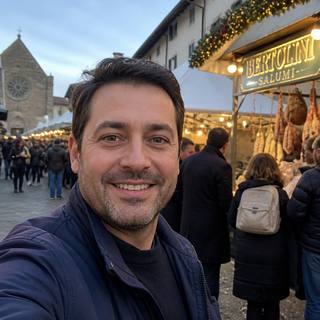
Emilia-Romagna — Bologna, Parma, and Modena — is where Parmigiano-Reggiano, Prosciutto di Parma, and traditional balsamic vinegar are actually made, and where tagliatelle al ragù (not 'spaghetti Bolognese') and tortellini in brodo come from. Base in Bologna (well-connected by train to both Parma, about an hour away, and Modena, about 25 minutes) and budget 2-3 days, plus at least one producer visit if you want to see a 40kg wheel of parmesan actually aging.
If Rome is Italy's history and Florence is its art, Emilia-Romagna is unapologetically its stomach. Bologna nicknamed itself 'La Grassa' (the fat one) for a reason, and three of the most imitated, most misunderstood Italian foods on Earth — parmesan, prosciutto, and balsamic vinegar — are all made within an hour of each other here, the real versions, not the supermarket stand-ins.
Bologna: tortellini, mortadella, and the real ragù
Start in Bologna's Quadrilatero market district and the Mercato di Mezzo, a covered food market where you can taste your way through the region before committing to a sit-down meal. Tagliatelle al ragù alla bolognese — a slow-cooked meat sauce (traditionally a mix of beef and pork) served with flat egg pasta, never spaghetti — is the dish most visitors think they already know from abroad and then discover they didn't. Tortellini in brodo (tiny meat-filled pasta rings served in broth, not sauce) is the other Bologna signature, traditionally reserved for Christmas but served year-round in the city itself.
| Dish | What it is | Typical price |
|---|---|---|
| Tagliatelle al ragù | Flat egg pasta with slow-cooked meat sauce | $13-19 |
| Tortellini in brodo | Meat-filled pasta rings in broth | $11-16 |
| Mortadella | Bologna's original 'baloney' — fine-textured pork cold cut with pistachios | $3-6 for a sandwich |
| Lasagne alla bolognese | Layered pasta with ragù and béchamel (not tomato-heavy versions abroad) | $14-20 |
Parma: prosciutto and parmesan, at the source
Prosciutto di Parma is a Protected Designation of Origin product — legally, it can only be made from pigs raised in specific regions of Italy, cured with nothing but salt, and aged a minimum of 12 months (many producers age it 18-24+ months for deeper flavor). Parmigiano-Reggiano, the real 'parmesan,' is aged 12 to 36+ months in enormous curing rooms holding thousands of wheels at once — the longer the age, the harder, saltier, and more crystalline the texture. Both come from a tightly defined production zone around Parma, and both are worth seeing made in person if you have the time.
Modena: balsamic vinegar, and the difference that actually matters
'Balsamic vinegar' at the supermarket and Aceto Balsamico Tradizionale di Modena are barely related products. The traditional version is aged a legal minimum of 12 years (labeled 'affinato'), or 25+ years for the 'extravecchio' grade, in a series of progressively smaller wooden barrels, and sold in small, expensive bottles by the milliliter, not the liter — a few drops go a long way, drizzled over parmesan shavings or even vanilla gelato, not poured over salad. What's sold as everyday 'Aceto Balsamico di Modena IGP' is a younger, more affordable, still-legitimate product for cooking.
Doing it as a day trip vs. a producer tour
Bologna to Parma is about an hour by regional train; Bologna to Modena is closer to 25 minutes — both are easy day trips on your own if you just want to eat well and wander. Seeing an actual Parmigiano-Reggiano dairy, prosciutto curing cellar, or balsamic vinegar attic (acetaia) in action requires a booked producer tour, since these are working facilities, not tourist attractions — half- or full-day guided tours from Bologna or Parma covering two or three producers typically run $300-420 for a small private group, or considerably less per person on a shared group tour.
| Trip | Time from Bologna | What you get |
|---|---|---|
| Parma (train) | ~1 hour | Prosciutto and parmesan country, plus Parma's own old town |
| Modena (train) | ~25 minutes | Balsamic vinegar producers, plus a lively food scene of its own |
| Producer tour (parmesan + prosciutto + balsamic) | Half or full day, guided | $300-420 private, cheaper per person on a shared tour |
Book a producer tour at least a few days ahead, ideally more — these are working farms and cellars on a real production schedule, not a drop-in attraction, and small operators often only run tours on specific days of the week.
What it costs, all in
| Item | Approx. cost |
|---|---|
| Casual trattoria meal in Bologna | $16-26 per person |
| Prosciutto di Parma, by weight, at a shop | $6-9 per 100g |
| Aged Parmigiano-Reggiano (24+ months), by weight | $8-14 per 100g |
| Small bottle of Aceto Balsamico Tradizionale (100ml) | $50-90+ depending on age |
| Half-day producer tour, per person (shared group) | $90-160 |
Mistakes worth avoiding
- Ordering 'spaghetti Bolognese' in Bologna — it barely exists here; ask for tagliatelle al ragù instead and you'll get the real thing.
- Buying 'balsamic vinegar' as a souvenir without checking the label — a genuine Aceto Balsamico Tradizionale di Modena bottle is small and expensive for a reason; a cheap large bottle is not the same product.
- Trying to visit a producer without booking ahead — these are working facilities on a real schedule, not walk-in attractions.
- Rushing Parma and Modena into the same half-day — each deserves its own visit, especially if food shopping or a producer tour is part of the plan.
Dietary needs here
- Vegetarian is workable but takes more asking than in most of Italy — this region's signature dishes (ragù, prosciutto, mortadella) are meat-forward by tradition; tortellini also traditionally has a meat filling.
- Vegan is genuinely harder here than almost anywhere else in Italy, given how central cured meat and aged cheese are to the region's identity — larger cities have some dedicated options, but smaller towns are limited.
- Gluten-free is well handled, as elsewhere in Italy — most restaurants offer a certified 'senza glutine' pasta option.