


Rome
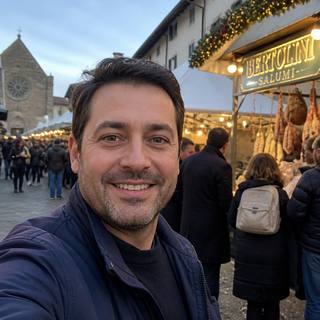
Rome deserves 3–4 days minimum — it's not a city you rush. Base yourself in Centro Storico (central, walkable, pricier) or Trastevere (cobblestoned, better food, a short walk further). Spend one day on ancient Rome (Colosseum, Forum, Palatine Hill), one on the Vatican (arrive at opening or book a guided skip-the-line slot), and at least one just wandering piazzas and eating. Budget roughly $50–90/day per person before accommodation.
Rome doesn't do subtle. It's ancient ruins sitting next to espresso bars, nuns and mopeds sharing the same narrow street, and a historical density that makes even a quick errand feel like a walk through three different centuries. Most first-time visitors try to see it in a day and a half; don't be one of them.
How many days do you need in Rome?
Three to four days is the real minimum, not the polite tourist-brochure answer. One full day for ancient Rome (the Colosseum, Roman Forum, and Palatine Hill are sold as one combined ticket and easily fill a day), one for the Vatican Museums and St. Peter's Basilica, and at least one more for the historic center — the Pantheon, Trevi Fountain, Piazza Navona — plus food, which in Rome is not an afterthought.
Which neighborhood should you stay in?
| Neighborhood | Best for | Vibe |
|---|---|---|
| Centro Storico | First-timers who want everything walkable | Central, historic, busy and pricier |
| Trastevere | Food, nightlife, a more local feel | Cobblestoned, romantic, a bit noisy at night |
| Monti | A quieter, still-central base | Trendy, artisan shops, close to the Colosseum |
| Prati | Vatican visits, families, quieter evenings | Residential, well-connected by metro |
Rome's historic center has almost no metro coverage — the two metro lines were built around what archaeologists might dig up, so most of central Rome is a walking city. Pack shoes you've actually broken in; you'll easily rack up 15,000–20,000 steps a day here.
What's actually worth seeing
- The Colosseum, Roman Forum, and Palatine Hill — sold as one combined ticket (around €18/$20, book online), genuinely worth a full morning or afternoon.
- The Pantheon — free to enter, and one of the best-preserved ancient buildings on Earth. The 2,000-year-old concrete dome still holds the record for the world's largest unreinforced one.
- The Trevi Fountain — go before 8am or after 10pm; by midday it's shoulder-to-shoulder with tour groups and selfie sticks.
- The Vatican Museums and Sistine Chapel — technically a separate country, and worth its own half-day; book a timed slot well ahead (see our Attractions guide).
What it costs
| Item | Approx. cost |
|---|---|
| Mid-range hotel, per night | $110–190 |
| Casual trattoria meal | $18–30 per person |
| Colosseum/Forum/Palatine combo ticket | $20 |
| Espresso at the bar (standing) | $1.30 |
Mistakes worth avoiding
- Sitting down at a restaurant right next to a major sight (the Trevi Fountain, the Spanish Steps) — prices there run 2–3x what you'll pay two streets over, for worse food.
- Skipping the 'coperto' line on the bill — it's a standard per-person cover charge (€1.50–3), not a scam, but it catches first-timers by surprise.
- Not booking the Vatican or Colosseum ahead in peak season (April–October) — walk-up lines regularly run two to three hours.
- Trying to see Rome in a day on a multi-city itinerary. It genuinely doesn't work; you'll leave more frustrated than satisfied.
Find a place in Trastevere or Monti for the best food within walking distance
Compare Rome hotelsWhere to stay in Rome — hotels
Check live availability and prices for hotels, resorts, and guesthouses in Rome on Booking.com:
Search hotels in Rome on Booking.com ←We may earn a small commission, at no extra cost to you.