


The Best Time to Visit Italy: A Month-by-Month Breakdown
April-June and September-October are Italy's sweet spot: warm enough for outdoor sightseeing, without July-August's brutal heat, peak crowds, and highest hotel prices. July-August is when most of Europe takes its own vacation, so expect the Colosseum and Uffizi to mean 2-3 hour lines without advance booking. Winter (November-March) is quiet and cheap, but coastal towns like the Cinque Terre partly shut down.
'Best time to visit Italy' has a real, specific answer, not a vague 'anytime is great' shrug — it depends heavily on whether you'd rather deal with heat, crowds, or closures, and that trade-off shifts noticeably month to month.
Italy by month
| Month | Weather | Crowds | Notable |
|---|---|---|---|
| January-February | Cold, 40-50°F/4-10°C | Lowest of the year | Cheapest flights and hotels; Venice's Carnevale season brings costumed crowds to Venice specifically |
| March | Mild, warming up | Low-moderate | Easter travel spike if it falls in March; otherwise a quiet, good-value month |
| April-May | Mild, 55-70°F/13-21°C | Moderate, rising | Wildflowers in the countryside, comfortable hiking weather, before peak-season prices kick in |
| June | Warm, 65-80°F/18-27°C | High, building | Long days, the Verona Opera Festival opens mid-June, beach season starting |
| July-August | Hot, 75-95°F/24-35°C | Peak | Ferragosto (Aug 15) shuts many small businesses; hottest, busiest, priciest stretch |
| September-October | Warm, cooling, 60-78°F/16-26°C | Moderate, dropping | Grape harvest (vendemmia), fewer crowds than summer, still warm enough to swim early on |
| November | Cool, rainy | Low | Off-season pricing; some Cinque Terre and coastal-town businesses start closing |
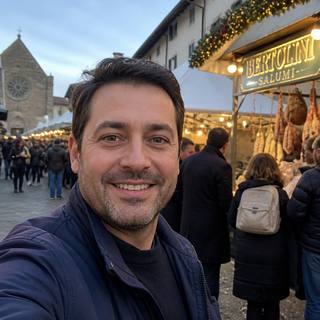
| December | Cold | Moderate (holidays) | Christmas markets, festive city centers, a real chance of rain or occasional snow inland |
Why April-June and September-October win
This is the honest sweet spot: mild enough to walk Rome's ancient sites or hike the Cinque Terre's coastal trails without melting, and thin enough on crowds that a Colosseum or Uffizi ticket booked a few days ahead is realistic rather than a genuine gamble. Hotel prices sit meaningfully below July-August peak rates, and restaurants and shops in smaller towns are still fully open (unlike deep winter, when some coastal businesses close entirely).
The case against July-August
July and August aren't just hot — they're when a large share of Europe itself goes on vacation, which means Italy's own tourist sites are at their most crowded with domestic visitors too, not just international ones. Walk-up lines at the Colosseum, Vatican, and Uffizi regularly run 2-3 hours without a booked timed slot, and Ferragosto (August 15) triggers a wave of small-business closures, especially outside the biggest cities.
Winter: genuinely underrated, with real trade-offs
November through March is Italy's quietest, cheapest stretch — flights and hotels both drop noticeably, and the big museums are far easier to book. The trade-off: shorter daylight hours, a real chance of rain (especially in the north), and some coastal destinations, like several Cinque Terre villages, scaling back restaurant and guesthouse hours or closing for parts of the season entirely. Rome, Florence, and Venice all stay fully open and are genuinely pleasant in winter if you don't mind a coat.
Event-driven timing worth planning around
- Verona Opera Festival — the 2026 edition runs 12 June to 12 September at the Roman Arena, opening with a new production of La Traviata; book tickets and hotels well ahead if this is a priority.
- Venice Carnevale — usually held in the weeks leading up to Ash Wednesday (so timing shifts every year, typically January-February) — brings elaborate costumes and thick crowds to Venice specifically, on top of its usual off-season quiet.
- Ferragosto (August 15) — a fixed public holiday every year, when a large share of small, family-run businesses nationwide close for their own summer break, especially outside the biggest tourist centers.
- La vendemmia (grape harvest) — roughly September into October across most wine regions, a great time to visit Tuscany, Piedmont, or the Prosecco hills, though tastings should be booked ahead since producers are genuinely busy.
Matching the season to your itinerary
If Rome, Florence, and Venice are the whole trip, April-June or September-October is close to ideal for all three at once. If a beach add-on (the Amalfi Coast, Puglia, Sicily's coast) matters, June or early September gives warm swimmable water without August's absolute peak. If budget matters more than weather, November-March (outside the Christmas-New Year spike) is genuinely the best value, as long as you're not counting on every small coastal restaurant being open.
Mistakes worth avoiding
- Booking a July-August trip without accepting that advance booking for major sights becomes mandatory, not optional.
- Planning a Cinque Terre or coastal-village trip for deep winter without checking which restaurants and guesthouses are actually open that month.
- Assuming 'shoulder season' means empty — April-May and September-October are busier every year as more travelers catch on to the trade-off; book major attractions a few days ahead even then.
- Forgetting Ferragosto (August 15) if traveling in mid-August — plan around the possibility that a specific restaurant or small shop you're counting on might be closed.