


Money, Safety & eSIM in Croatia
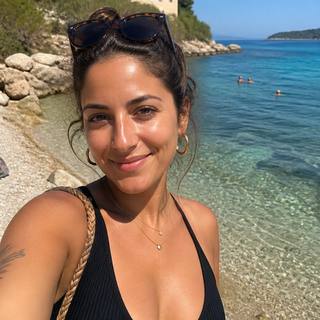
Croatia's currency is the euro (€), adopted in January 2023 — cards are widely accepted almost everywhere, including most coastal restaurants, so carrying large amounts of cash isn't necessary, though a little is handy for small konobas and parking. Croatia is very safe overall; the main real risk is petty theft in the busiest tourist areas during peak summer, not violent crime. eSIM and local SIMs both work well for staying connected, and ferries are a genuine part of getting around, not just a novelty.
The unglamorous questions that actually shape a Croatia trip: how to pay for things without ATM fees eating your budget, what's genuinely risky versus just annoying, how ferries fit into your itinerary, and how to get online the moment you land.
Money and ATMs
The euro (€) is used everywhere — Croatia adopted it on January 1, 2023, replacing the kuna, so any old guide mentioning kuna prices is now out of date. Cards, including contactless, are accepted at the large majority of restaurants, shops, and hotels, even on the islands; smaller family-run konobas and market stalls sometimes remain cash-preferred. Always decline 'dynamic currency conversion' at an ATM or card terminal (being offered the charge in your home currency) — it carries a worse exchange rate than letting your own bank convert it.
| Payment method | Where it works best |
|---|---|
| Card (contactless) | Most restaurants, hotels, shops, ferries |
| Cash (euros) | Small konobas, markets, parking, some island guesthouses |
| Mobile pay (Apple Pay/Google Pay) | Widely accepted alongside contactless cards in cities |
Is Croatia safe?
Very safe by any international standard — violent crime against tourists is rare. The real, statistically common risk is petty theft (bag-snatching, pickpocketing) in the busiest Old Town streets during peak summer crowds, plus ordinary water-safety awareness if you're swimming from rocks or boats around the islands. Keep bags zipped in crowds, and don't leave valuables unattended on beach towels or restaurant tables.
Ferries — the real backbone of island travel
If your trip includes any islands, ferries aren't an optional extra — they're how you get there. Jadrolinija (the main state ferry operator) and Krilo (a popular fast-catamaran operator) both run routes from Split to Hvar, Korčula, and Brač; book online a day or two ahead in July–August, since the fastest, most convenient sailings sell out. Slower car ferries are cheaper and less likely to sell out but add real time to a day. Ferries can be delayed or canceled by strong wind (locally called the bura) — build slack into any tight connection, especially in shoulder season.
Do you need to tip in Croatia?
Tipping isn't mandatory anywhere in Croatia, but it's a genuine, appreciated custom rather than an obligation. In casual restaurants and konobas, rounding up to the nearest euro is completely normal; for a nicer sit-down meal with good service, 10% is a reasonable tip, and 15-20% for something exceptional. Check the bill first — some restaurants note "napojnica uračunata u cijenu" if a service charge is already included, in which case an extra tip isn't expected. Card tipping has been possible since 2024; just tell your server before they run the card so they can add it to the total.
eSIM and staying connected
eSIM is the easiest option if your phone supports it — providers like Airalo and Holafly sell Croatia or EU-wide data plans from around $5–20 for 7–15 days, activated before you land. A physical local SIM (A1, Telemach, or Hrvatski Telekom, sold at the airport or any phone shop) costs a similar range for two weeks of largely unlimited data and is just as easy to set up on arrival.
Overtourism and local etiquette
Dubrovnik in particular has taken visible, well-publicized steps to manage overtourism (cruise-ship caps, mandatory advance booking for the city walls as of 2026) — being a considerate guest matters here more than in most destinations: keep noise down in residential parts of the Old Town late at night, don't block narrow streets for photos during busy hours, and respect any posted 'no photos' or quiet-hours signage near people's homes built into the historic walls.
Common tourist scams to watch for
- Taxi overcharging at airports and ferry ports — the single most consistently reported scam. Use an app (Uber or Bolt both work in Zagreb, Split, and Dubrovnik) or confirm a metered fare/fixed price before getting in, rather than negotiating after the ride starts.
- 'Roman legionary' photo scams — costumed 'legionaries' near Split's Peristyle (inside Diocletian's Palace) invite a selfie, then demand €5–20 afterward. Decline politely up front if you don't want to pay, or agree on a price before any photo is taken.
- Nightclub bill-padding — a handful of Bačvice-area clubs in Split have documented cases of adding unauthorized charges to card bills. Check your bill line by line before paying, and consider cash for a night out at an unfamiliar venue.
- Fake booking or tour-agency sites — always book ferries, Blue Cave tours, and city-wall tickets through the operator's own official site or a well-known platform, not a search-ad link that looks slightly off.
Emergency numbers and healthcare
112 is Croatia's general emergency number — free from any phone, and it reaches police, ambulance, and fire/rescue, the same as the EU-wide emergency number used across the rest of the Schengen Area. Pharmacies (ljekarna, marked with a green cross) are easy to find in every city and larger town and can handle most minor issues without a doctor visit, though hours are more limited on smaller islands outside peak season — check for an on-call pharmacy schedule if you need something late at night off-season.