


Rovinj
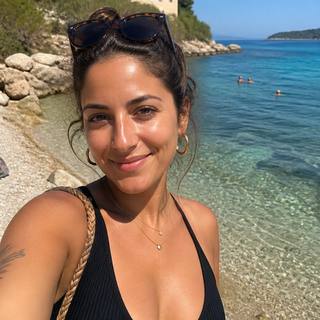
Rovinj deserves at least a full day, ideally two — it's Istria's most photogenic town, a cluster of pastel houses on a former island now joined to the mainland, topped by the Baroque St. Euphemia church. Spend a morning wandering the Old Town's alleys and Grisia Street's art galleries, an afternoon swimming off the rocks at Plaza Balota, and stay for sunset from the cliffs at Punta Corrente. Budget roughly $70–120/day per person before accommodation.
Rovinj is the town that convinces first-time visitors Istria might be the better half of Croatia — a former island now welded to the coast by an 18th-century landfill, its pastel houses stacked so tightly toward the harbor that laundry lines cross the alleys overhead. It's touristy, sure, but it earns every bit of it.
How many days do you need in Rovinj?
A single focused day covers the Old Town's alleys, Grisia Street, and St. Euphemia's bell tower. Two days is genuinely better: one for the town itself, one for swimming off the rocks at Plaza Balota, biking out to Punta Corrente forest park, or a boat trip into the Lim Fjord. Rovinj also works well as a 1–2 night base for day trips to Pula (45 minutes south) or the hill towns of inland Istria.

What to see in the Old Town
- St. Euphemia's Church and bell tower — the Baroque church dominating Rovinj's skyline; the church itself is free, the bell tower climb costs around $3.50 (€3) for one of the best harbor views in Istria.
- Grisia Street — the Old Town's steep main artery, lined with artists' studios and galleries, leading straight up to St. Euphemia's; Rovinj's annual open-air art exhibition takes over the whole street in mid-August.
- Balbi's Arch — the 17th-century gateway marking the old town entrance, built on the site of a demolished medieval town gate.
- The Heritage Museum (Zavičajni muzej) — a small municipal museum in a Baroque palace, worth a stop if you want context beyond just wandering.
Swimming right off the Old Town
Plaza Balota, a rocky swimming spot a short walk from the Old Town, is the local pick — no sand, no sunbeds, just flat rocks, ladders into clear water, and a genuinely local scene rather than a resort one. It's the easiest way to swim without leaving town.
Rovinj is flat and built for cycling — rent a bike for a couple of hours and ride south through Zlatni Rt (Punta Corrente) forest park along the coast, past Lone Bay, with the option to keep going all the way to the Lim Fjord (about 15 km/9 miles one way) for a fjord-side lunch of fresh oysters or mussels.
What it costs
| Item | Approx. cost (USD / EUR) |
|---|---|
| Mid-range guesthouse, per night | $100–170 / €88–150 |
| St. Euphemia's bell tower climb | $3.50 / €3 |
| Casual seafood restaurant meal | $18–28 / €16–25 |
| Bike rental, per day | $12–18 / €11–16 |
Getting to Rovinj
| From | Method | Approx. time |
|---|---|---|
| Pula Airport | Bus or taxi | ~45 minutes |
| Zagreb | Bus (direct routes run daily) | ~4.5–5 hours |
| Trieste, Italy | Bus or rental car (a common alternate gateway) | ~1.5–2 hours |
| Split | Bus, usually with a transfer | ~6–7 hours |
Best time to visit
May, June, and September hit the sweet spot — warm enough to swim, without the wall-to-wall crowds that fill Grisia Street in July and August. Rovinj's art exhibition (mid-August) is worth timing a visit around if the crowds don't bother you; otherwise, shoulder season shows the town at its calmest.
Mistakes worth avoiding
- Driving into the Old Town itself — it's pedestrian-only; park at one of the paid lots on the edge and walk in.
- Skipping Istria's inland hill towns (Motovun, Grožnjan) because Rovinj feels complete on its own — they're less than an hour away and a genuinely different side of the region, especially for truffle season.
- Visiting only for a rushed few hours off a cruise ship — Rovinj's real appeal (a slow evening walk after the day-trippers leave) needs at least one overnight to actually experience.
Where to stay in Rovinj — hotels
Check live availability and prices for hotels, resorts, and guesthouses in Rovinj on Booking.com:
Search hotels in Rovinj on Booking.com ←We may earn a small commission, at no extra cost to you.