


Cali
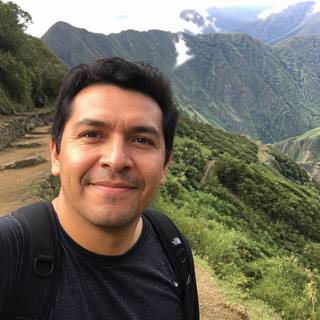
Cali is Colombia's third-largest city and, by its own confident branding, the 'World Capital of Salsa' — a genuinely different nightlife scene from Medellín's or Bogotá's. It's also the one major Colombian destination where safety needs specific, current attention: as of 2026, the wider Valle del Cauca department carries a US State Department 'Do Not Travel' (Level 4) advisory, though Cali city itself retains an exception. Stick to San Antonio, Granada, and other established tourist zones, and skip any side trip into the wider department without current, local guidance.
Cali doesn't get nearly the international attention Cartagena or Medellín do, and salseros (serious salsa dancers) will tell you that's a mistake — this is a city built around rhythm in a way few other places in the Americas are, with a nightlife scene that treats dancing as a genuine competitive art form, not just a bar activity. It's also a city that requires reading the safety picture with real care, not blanket reassurance.
An honest, current read, as of mid-2026: the US State Department's Colombia advisory sits at Level 3 (Reconsider Travel) nationally, but the wider Valle del Cauca department (the region Cali sits in) carries a separate Level 4 'Do Not Travel' designation due to crime and terrorism — Cali city itself is specifically excluded from that Level 4 zone and retains its own, lower risk profile. In April 2026, coordinated attacks across Cauca and Valle del Cauca departments killed over 20 people, underlining that this is a real, current, evolving situation, not outdated caution. Stay within Cali's established tourist areas (San Antonio, Granada, Ciudad Jardín), check your government's current advisory before any trip, and do not plan independent travel into the wider Valle del Cauca or Cauca departments beyond Cali city without current, specific local guidance.
Is Cali safe to visit?

Within the city's tourist-heavy neighborhoods, yes, with the same big-city precautions used anywhere — use ride-hailing apps rather than street taxis, avoid displaying valuables, and don't wander into unfamiliar barrios at night. Neighborhoods like Siloé, Terrón Colorado, and Aguablanca carry a real, separate risk level and are not part of any normal visitor's itinerary; if a local tells you not to go somewhere, that's worth taking seriously here more than in most Colombian cities.
Salsa — the real reason people come
Cali's claim to being the 'World Capital of Salsa' isn't just civic pride — it has one of the highest concentrations of salsa schools, clubs, and world-class dancers anywhere, and the local style (Cali-style salsa, fast-footwork-heavy) is distinct enough to have its own name in the dance world. Even non-dancers get pulled into it: plenty of clubs offer a free or cheap beginner lesson early in the night before the floor fills up.
- Take a beginner class — several San Antonio bars and dedicated salsa schools offer walk-in lessons most nights of the week, no partner or experience required.
- Watch a professional show — Delirio, Cali's flagship salsa-circus dinner show, is a genuinely spectacular, if pricier, night out.
- Go dancing in San Antonio — the neighborhood's bars and small clubs are the most tourist-friendly place to just watch, or get pulled onto the floor.
- Visit during the Feria de Cali (late December) — the city's biggest salsa festival, if your dates line up.
What else to do
- Cristo Rey — a large hilltop Christ statue overlooking the city, similar in concept to Rio's, with sweeping views and cooler air than downtown.
- San Antonio neighborhood — Cali's most walkable, atmospheric area, with a hilltop church, cafés, and street art.
- Cali Zoo — regularly ranked among the best zoos in South America, with a strong conservation focus.
- San Cipriano — a small jungle village reachable by hand-pushed rail 'brujitas,' a popular half-day trip for river tubing (check current access status before planning around it).
Where to stay
| Neighborhood | Best for | Vibe |
|---|---|---|
| San Antonio | First-timers, walkability, nightlife | Bohemian, hilly, the most tourist-friendly base |
| Granada | A calmer, more upscale alternative | Restaurants, boutique hotels, close to San Antonio |
| Ciudad Jardín | A quieter, residential, family-oriented base | Modern, further from the nightlife center |
Getting there
Alfonso Bonilla Aragón International Airport (CLO) sits about 45 minutes outside the city center, with regular domestic connections to Bogotá (roughly 1 hour) and Medellín (about 50 minutes), plus a smaller set of international routes. A registered taxi or ride-hailing app is the standard way into the city.
What it costs
| Item | Approx. cost |
|---|---|
| Guesthouse in San Antonio, per night | $25–55 |
| Salsa class (group, walk-in) | $5–15 |
| Delirio show ticket | $60–100 |
| Casual restaurant meal | $5–12 |
Common mistakes
- Assuming Cali is uniformly as safe as Medellín or Bogotá's tourist zones — it isn't, and the surrounding department's current advisory level is worth actually reading, not skimming.
- Hailing a street taxi instead of using a ride-hailing app — a small habit that meaningfully lowers risk here more than in most Colombian cities.
- Skipping Cali entirely out of an outdated or overcorrected safety read — done within its established tourist areas, with normal precautions, it's a genuinely rewarding stop most Colombia itineraries skip without good reason.
Stay in San Antonio or Granada, within the established tourist zones
Compare Cali hotelsWhere to stay in Cali — hotels
Check live availability and prices for hotels, resorts, and guesthouses in Cali on Booking.com:
Search hotels in Cali on Booking.com ←We may earn a small commission, at no extra cost to you.