


What to Pack for Chile
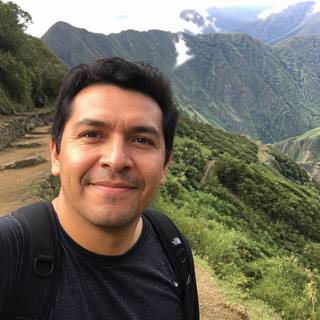
Pack in layers, not for one climate: a warm mid-layer and a proper wind/rain shell cover both the Atacama's freezing desert nights (after 80°F days) and Patagonia's genuinely strong wind, while lighter layers work for Santiago's mild Mediterranean seasons. Sturdy, broken-in shoes matter everywhere — cobblestones in Valparaíso, uneven trails in Torres del Paine, gravel in the Atacama. Sunscreen (SPF 50+) is non-negotiable at altitude, where UV is roughly 40% stronger than at sea level.
Nowhere else does 'what should I pack' get more complicated than Chile — you could genuinely go from a 90°F desert afternoon to a below-freezing Patagonian evening within the same two-week trip. The fix isn't packing for one climate, it's packing a system that flexes across all of them.
The core problem: one country, three climates
| Region | Typical conditions | Packing focus |
|---|---|---|
| Atacama Desert | 65-100°F (18-38°C) by day, dropping to 30-40°F (-1-4°C) at night; intense UV at altitude | Layers for a huge daily swing, strong sun protection, a warm layer for pre-dawn tours |
| Chilean Patagonia | 50s-70s°F (10-24°C) days, near-freezing mornings, wind regularly over 50mph (80km/h) | A real wind shell, waterproof layers, trekking poles, warm layers regardless of 'summer' |
| Santiago / central Chile | 85-95°F (29-35°C) summer (Dec-Feb), 50-60°F (10-15°C) winter (Jun-Aug) | Standard seasonal city clothing, one layer for cool evenings |
| Easter Island | 65-80°F (18-27°C) nearly year-round, humid, occasional rain May-August | Light, breathable clothing, a rain shell, reef-safe sunscreen for swimming |
The layering system that works everywhere
- Base layer — moisture-wicking, non-cotton tops and bottoms; cotton stays wet and cold once you sweat, a real problem on the Atacama's hot-then-freezing days and any Patagonia trek.
- Insulating layer — a packable fleece or light down jacket, useful from Atacama's pre-dawn geyser tours to Patagonia's evenings to Santiago's winter (June-August).
- Outer shell — a genuine wind- and rain-resistant jacket, not just a fashion raincoat; this is the single most important item for Patagonia specifically.
- Sturdy, broken-in shoes — one pair that handles Valparaíso's steep cobblestones, San Pedro's gravel streets, and short desert walks; separate proper hiking boots if Torres del Paine trekking is on the itinerary.
Atacama Desert specifics
The desert's daily temperature swing is the thing people underestimate most — a 90°F afternoon regularly drops below freezing by early morning, and El Tatio's geyser tours leave before dawn specifically because that's when the steam is most dramatic, meaning you're standing around at altitude in the cold before sunrise. Bring a genuine warm layer even if you're only there in the summer (December-February), plus a hat, sunglasses, and SPF 50+ sunscreen — UV at San Pedro's roughly 7,900ft (2,400m) altitude is meaningfully stronger than at sea level, and some day trips go well above 13,000ft.
Patagonia specifics
Patagonian wind is not a minor annoyance — gusts regularly exceed 50mph (80km/h) in summer (November-March) and can genuinely affect balance on exposed trail sections like the base of the Towers or the John Gardner Pass. A normal rain jacket isn't enough; bring an actual wind-resistant shell, and treat 'it's summer' as irrelevant to how warm you'll actually be.
Central Chile and Santiago
Standard seasonal city packing works here, just remember the seasons are reversed from the Northern Hemisphere: December-February is hot and dry (85-95°F/29-35°C, sometimes hazy from smog buildup), June-August is mild and rainier (50-60°F/10-15°C). A light layer for evenings covers most of the year.
Easter Island
Rapa Nui's subtropical climate stays mild and workable most of the year (65-80°F/18-27°C) — pack light, breathable clothing, a rain shell for the slightly wetter May-August window, and reef-safe sunscreen if you plan to swim at Anakena beach.
The full packing list
- A genuine wind/rain shell jacket (non-negotiable for Patagonia, useful everywhere else)
- A packable fleece or light down mid-layer
- Moisture-wicking base layers, non-cotton
- Sturdy walking shoes plus proper hiking boots if trekking Torres del Paine
- SPF 50+ sunscreen, sunglasses, and a wide-brim hat for the Atacama and Easter Island's sun
- A reusable water bottle — Santiago's tap water is safe to drink, a genuine money-saver over a two-week trip
- A basic first-aid kit with altitude-sickness medication if visiting San Pedro de Atacama
- A power adapter — Chile uses Type C/L plugs at 220V, different from North American 110V outlets
Common mistakes
- Packing only for 'Chilean summer' and assuming that covers the whole trip — Patagonia's summer and the Atacama's nights are both genuinely cold regardless of the calendar month.
- Bringing a fashion raincoat instead of a real wind shell for Patagonia — the wind, not the rain, is the bigger issue on exposed trail sections.
- Underestimating altitude sun exposure in the Atacama and forgetting a proper hat and high-SPF sunscreen.