


Torres del Paine Trekking: W Trek vs. O Circuit
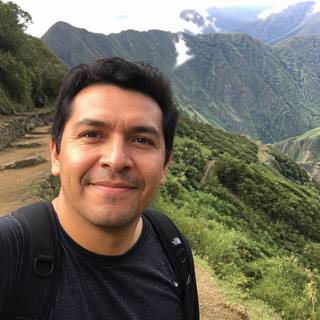
Torres del Paine offers two main routes: the W Trek (4–5 days, roughly 50–60 miles/80–95km, hitting the park's three signature viewpoints) and the full O Circuit (7–9 days, roughly 80 miles/130km, a full loop including the remote back side of the massif). Both require booking refugios or campsites in advance — often 4-6+ months ahead for peak season (November–March) — since independent trekkers can't just show up and camp anywhere. Park entry runs $35 in high season (November–March), $18 in low season.
Torres del Paine isn't a trek you can decide to do on a whim once you land in Chile — the logistics, specifically the advance booking requirement, are as much a part of planning this as the hiking itself. Here's the honest breakdown of both routes and what actually needs to happen before you fly.
| W Trek | O Circuit | |
|---|---|---|
| Duration | 4–5 days | 7–9 days |
| Distance | ~50–60 miles (80–95 km) | ~80 miles (130 km), includes the W |
| Highlights | Base of the Towers, French Valley, Grey Glacier | Everything in the W, plus the remote back side and John Gardner Pass |
| Difficulty | Moderate — long days, but well-marked and busier trails | Strenuous — a genuine mountain pass, more exposed, more remote |
| Booking lead time | 3-6+ months ahead for peak season | 6+ months ahead recommended — fewer beds/campsites on the back side |
| Best for | First-time Patagonia trekkers, shorter trips | Experienced hikers wanting the full, quieter circuit |
Choose the W Trek if this is your first serious multi-day trek or your trip has a hard time limit — it hits the park's three headline views in a well-supported 4-5 days. Choose the O Circuit if you have 7-9 days, solid trekking fitness, and want the more remote, less crowded experience the back side offers, including crossing the John Gardner Pass with its dramatic Grey Glacier view.
Booking logistics — the part that trips people up
This is the single biggest mistake independent trekkers make: assuming they can book Torres del Paine a few weeks before arrival. Refugios and campsites inside the park are run by a small number of concessionaires (not the park service directly), have limited capacity, and sell out 4-6+ months ahead for the November-March season. If you're planning a peak-season trek, start booking accommodation the moment your travel dates are set — sometimes before you even book flights. A guided tour operator can sometimes secure spots even close to your trip, at a real cost premium, if independent booking is no longer possible.
Fitness level — be honest with yourself
The W Trek is achievable for a reasonably fit hiker with some multi-day backpacking or long-day-hike experience — expect 4-8 hours of walking most days, some steep sections, and genuinely strong wind on exposed ridgelines. The O Circuit adds real mountain terrain: the John Gardner Pass crossing is long, exposed, and weather-dependent, and this is not the trek to attempt as your first multi-day hike ever.
What to pack
- A proper wind layer — Patagonian gusts regularly exceed 50 mph (80 km/h); a normal rain jacket alone won't cut it.
- Layers for genuine temperature swings — summer days can hit the 60s-70s°F (15-24°C) while mornings and evenings drop close to freezing.
- Trekking poles — the terrain and wind both make them more useful here than on most treks.
- A reliable rain shell — Patagonian weather changes fast, and a sunny morning can turn into sideways rain within an hour.
Best time to go
November through March is the main trekking season, with all refugios and most trails open — December-February is peak (busiest, windiest, warmest). Shoulder months (November, March) see fewer crowds and slightly calmer wind, with a real chance of good weather. Outside this window, most refugios close and trekking becomes a considerably more serious, cold-weather undertaking best left to experienced winter hikers.
What it costs
| Item | Approx. cost |
|---|---|
| Park entry (high season, Nov-Mar) | $35 |
| Park entry (low season, Apr-Oct) | $18 |
| Refugio bed with full board, per night | $120–220 |
| Camping (own gear), per night | $15–30 |
| Guided W Trek package (all-inclusive) | $1,200–2,500 for 4-5 days |
How to save money on the trek
- Camp instead of booking refugios with full board — bringing your own tent and cooking gear cuts the per-night cost from $120-220 to $15-30, though it means carrying more weight.
- Trek the W from west to east or east to west depending on which entrance is cheaper to reach from your base — bus routing between Puerto Natales and the park's different entrances varies in price and time.
- Book directly with the refugio/campsite concessionaires rather than through a third-party booking site when possible — direct booking sometimes avoids a markup, though availability is the same either way.
- Bring your own food for camping nights rather than paying refugio meal prices — a lightweight backpacking stove and dehydrated meals pay for themselves over a 4-9 day trek.
Mistakes worth avoiding
- Assuming you can walk up and find a bed — independent trekkers who show up without reservations in peak season are routinely turned away; this park does not work like a typical national park with open camping.
- Underestimating the wind on exposed sections like the John Gardner Pass or the base of the Towers viewpoint — gusts here can genuinely knock over an unprepared hiker, not just ruffle a jacket.
- Packing ultralight rain gear meant for a drier climate — Patagonia's weather turns fast, and a cheap poncho won't hold up over multiple exposed days.