


Salta
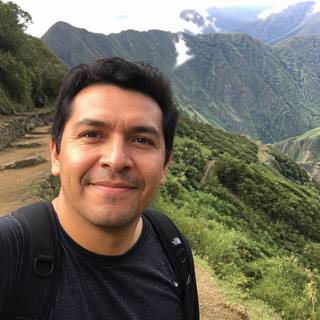
Salta is the base for Argentina's most underrated region: a genuinely well-preserved colonial city, surrounded by the high-altitude Cafayate wine valley (famous for crisp Torrontés white wine and high-altitude Malbec) and the Quebrada de Humahuaca, a UNESCO World Heritage canyon lined with colorful rock formations and centuries-old villages. Plan 4–5 days minimum: 1–2 in Salta itself, 1–2 for a Cafayate wine day trip, and 1–2 for the Humahuaca valley. It's a direct 2-hour flight from Buenos Aires; best visited June–September, the dry season.
Most first-time Argentina itineraries stop at Buenos Aires, Patagonia, and maybe Mendoza — which means most visitors never see Salta, and that's their loss. This is a different Argentina entirely: colonial architecture, Andean altitude, indigenous culture that predates the Spanish by thousands of years, and wine grown higher than almost anywhere else on Earth.
How many days do you need in Salta?
Four to five days is a realistic minimum to do the region justice: a day or two exploring Salta's own colonial center, a full day trip to Cafayate's wineries through the dramatic Quebrada de las Conchas canyon, and a day or two in the Quebrada de Humahuaca toward Jujuy province. Shorter trips (2–3 days) can still work, but you'll have to pick just one of the two big day-trip regions rather than both.
Salta city itself
Salta's colonial center is one of the best-preserved in Argentina — pastel-colored buildings, a striking pink-and-cream cathedral, and the Museum of High Altitude Archaeology (MAAM), home to the remarkably preserved Inca child mummies found on nearby Mount Llullaillaco. The cable car (teleférico) up to Cerro San Bernardo gives a good overview of the city and surrounding mountains.
Cafayate wine country
| Details | |
|---|---|
| Distance from Salta | ~194 km / 120 miles south, about 3.5–4 hours each way by road |
| Signature wine | Torrontés (a crisp, aromatic white grape that does best at this altitude) and high-altitude Malbec |
| Route | Through the Quebrada de las Conchas, a canyon with dramatic red rock formations including 'El Anfiteatro' and 'La Garganta del Diablo' — a different Devil's Throat from the one at Iguazu |
| Typical day trip | Depart around 8am, return 8–9pm, 2–3 winery tastings plus time in Cafayate's plaza |
Book the Cafayate day trip through a Salta-based tour operator rather than trying to self-drive round-trip in one day — the Quebrada de las Conchas canyon deserves unhurried stops for photos, and a full round-trip drive plus wine tastings makes for a very long, and legally questionable, day behind the wheel.
The Quebrada de Humahuaca
A UNESCO World Heritage canyon stretching north from Salta province into Jujuy, lined with striking multicolored rock formations and villages with roots going back nearly 10,000 years. Purmamarca's 'Hill of Seven Colors,' Tilcara's pre-Inca fortress ruins, and the colonial church at Humahuaca are the headline stops — most visitors see it as a multi-day trip from Salta rather than a single rushed day.
Salinas Grandes salt flats
A vast, blinding-white salt flat high in the Andes (over 11,000 feet / 3,450 meters), reachable as a full-day trip combined with the Quebrada de Humahuaca — smaller and more accessible than Bolivia's famous Salar de Uyuni, but genuinely striking in its own right, especially for photos.
What it costs
| Item | Approx. cost |
|---|---|
| Mid-range hotel in Salta, per night | $45–90 |
| Full-day Cafayate wine tour | $50–90 per person |
| Full-day Humahuaca/Salinas Grandes tour | $45–80 per person |
| Casual restaurant meal | $8–15 |
When to go
June through September is the dry season and the most comfortable window — clear Andean skies, minimal rainfall, and daytime temperatures typically 18–24°C (64–75°F), though nights get cold at altitude. The rainy season (roughly December–March) can affect road conditions in the canyons and mountain routes.
Salta and the surrounding region sit at real altitude — the city itself is around 1,150 meters (3,770 ft), but day trips to Salinas Grandes climb past 3,400 meters (11,000+ ft). Take it easy on your first day, drink more water than usual, and don't schedule the highest-altitude excursions for your very first day in the region.
Where to stay in Salta — hotels
Check live availability and prices for hotels, resorts, and guesthouses in Salta on Booking.com:
Search hotels in Salta on Booking.com ←We may earn a small commission, at no extra cost to you.